Perceive.
Understand.
Decide.
- AI and perception
- Navigation
- Isolated Linux
- Accelerators
 jidō
jidō
The computational foundation for intelligent machines that must perceive, decide and act in the real world with dependable control.
Jidō builds the boundary that turns intelligence into safe motion.
The cognitive domain interprets the world. The critical domain keeps authority over real time, devices and actuators. Every exchange crosses an explicit, mediated and traceable boundary.
MEDIATED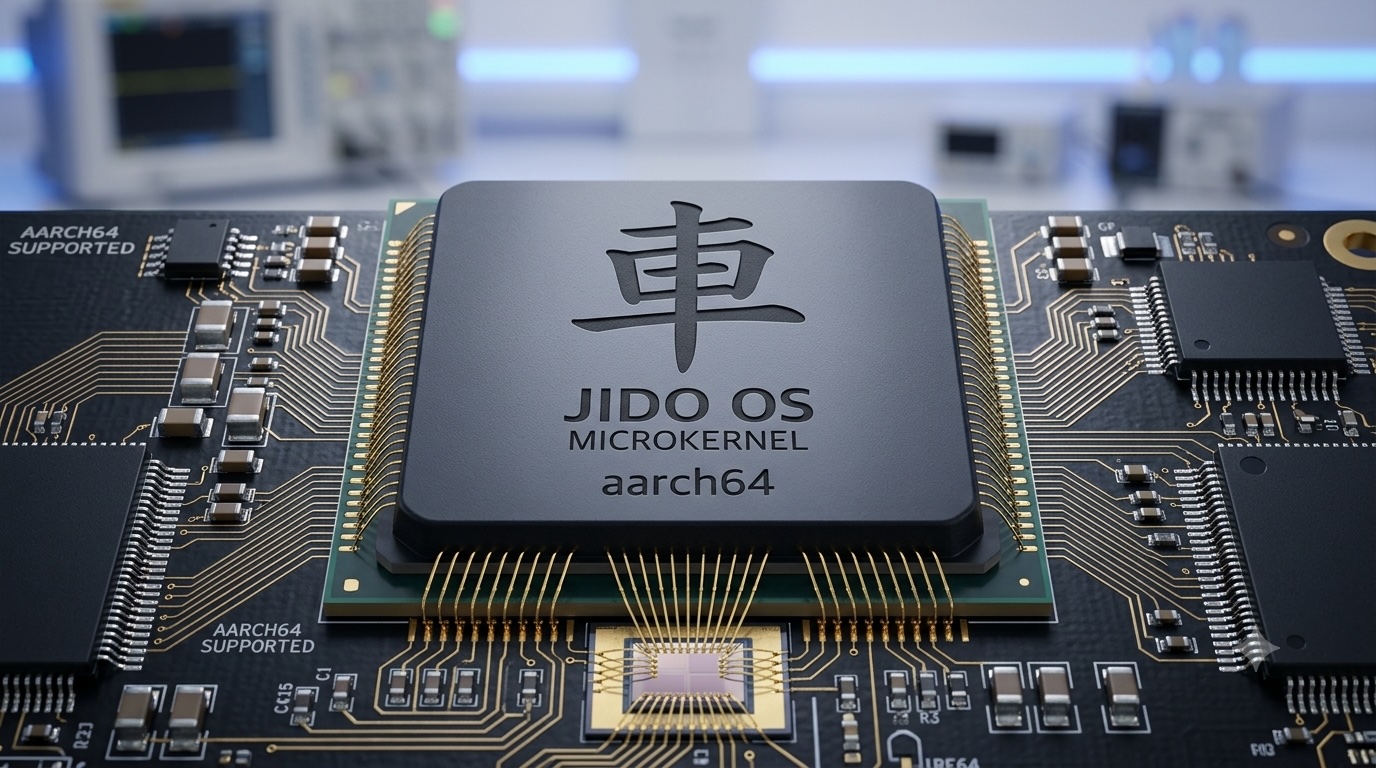
Not a layer on top of a general-purpose operating system. jidō.os is the microkernel that takes the machine at boot, keeps authority over real time and actuators, and hosts intelligence as an isolated guest.
Explore jidō.os ↗The base system and the embedded compute that carries it — designed together, adoptable separately. jidō.os runs on your hardware; jidō.brain delivers the foundation ready to go.
From the plant floor to critical infrastructure, the Jidō platform brings dependable autonomy to environments where failure has consequences.
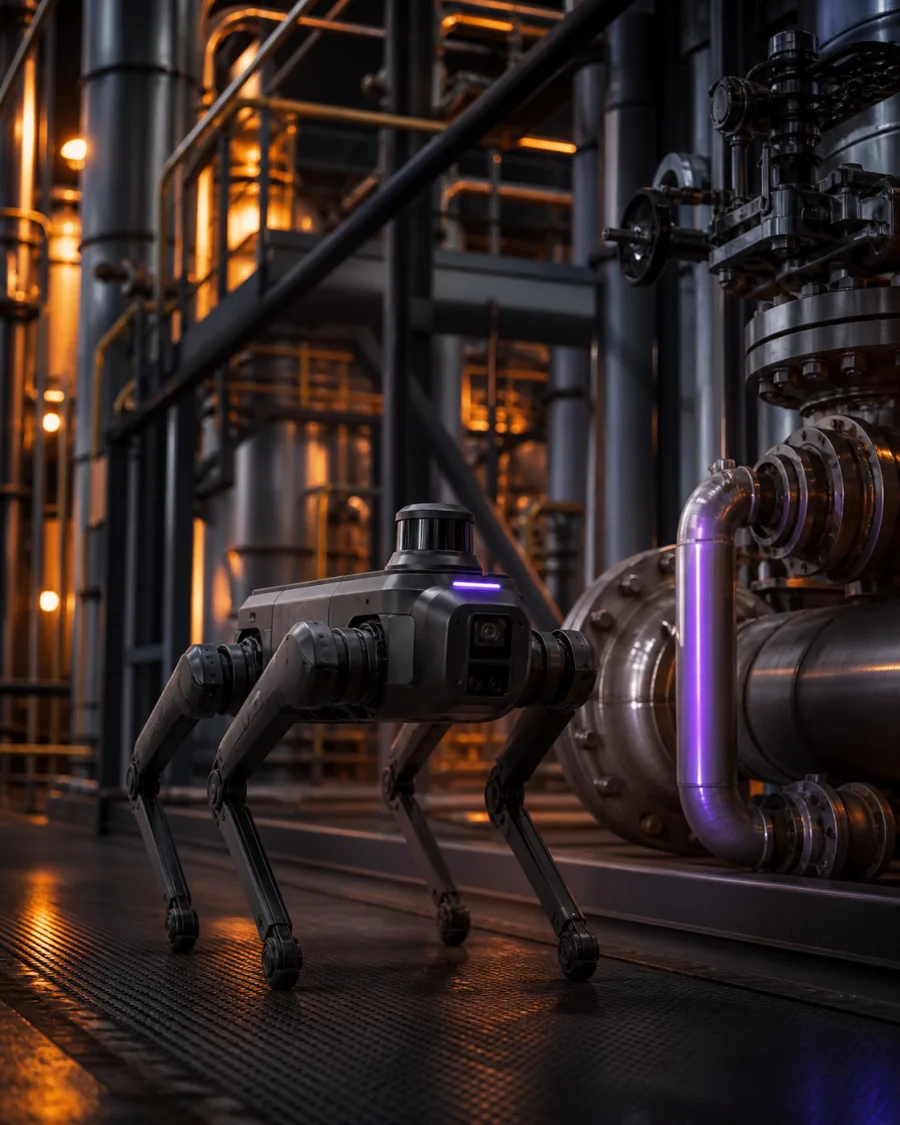
Continuous inspection of machinery, piping and hazardous areas without exposing people.
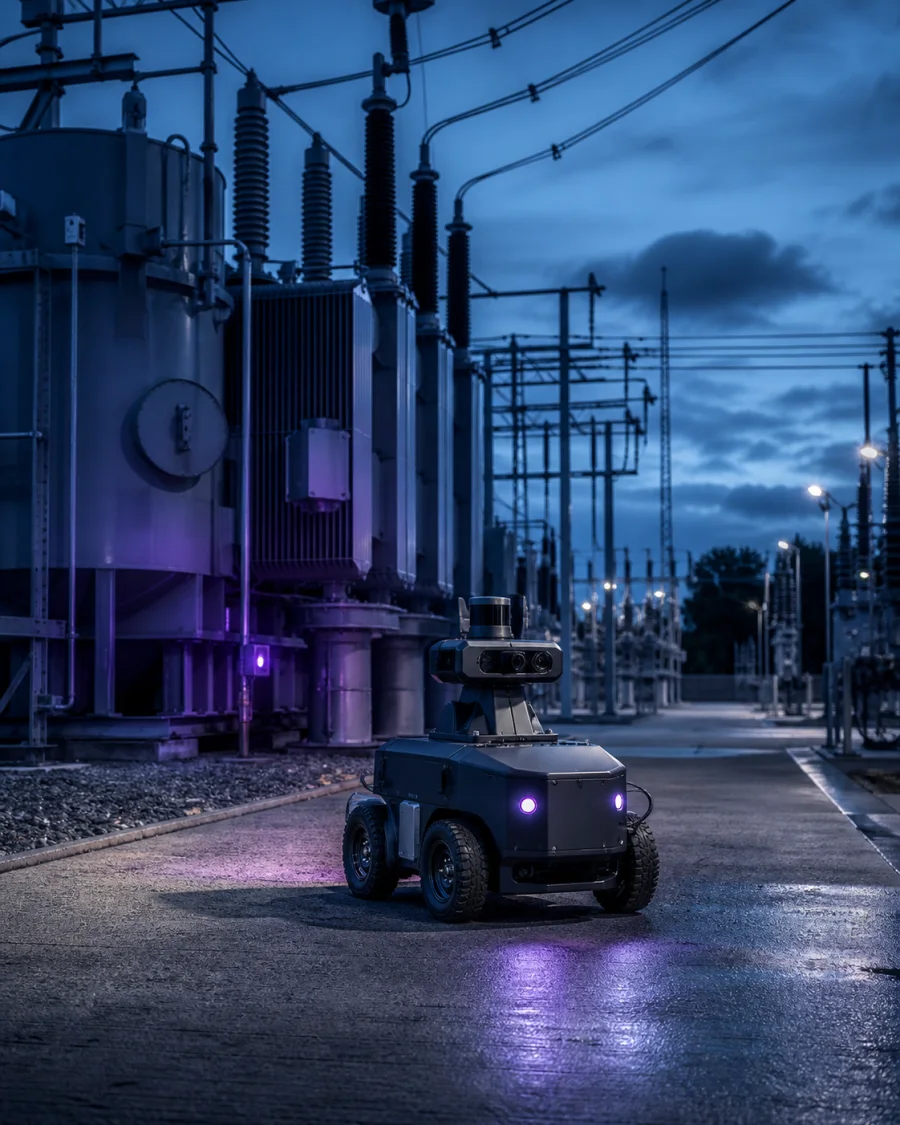
Autonomous monitoring of large-scale assets with embedded perception and remote operation.
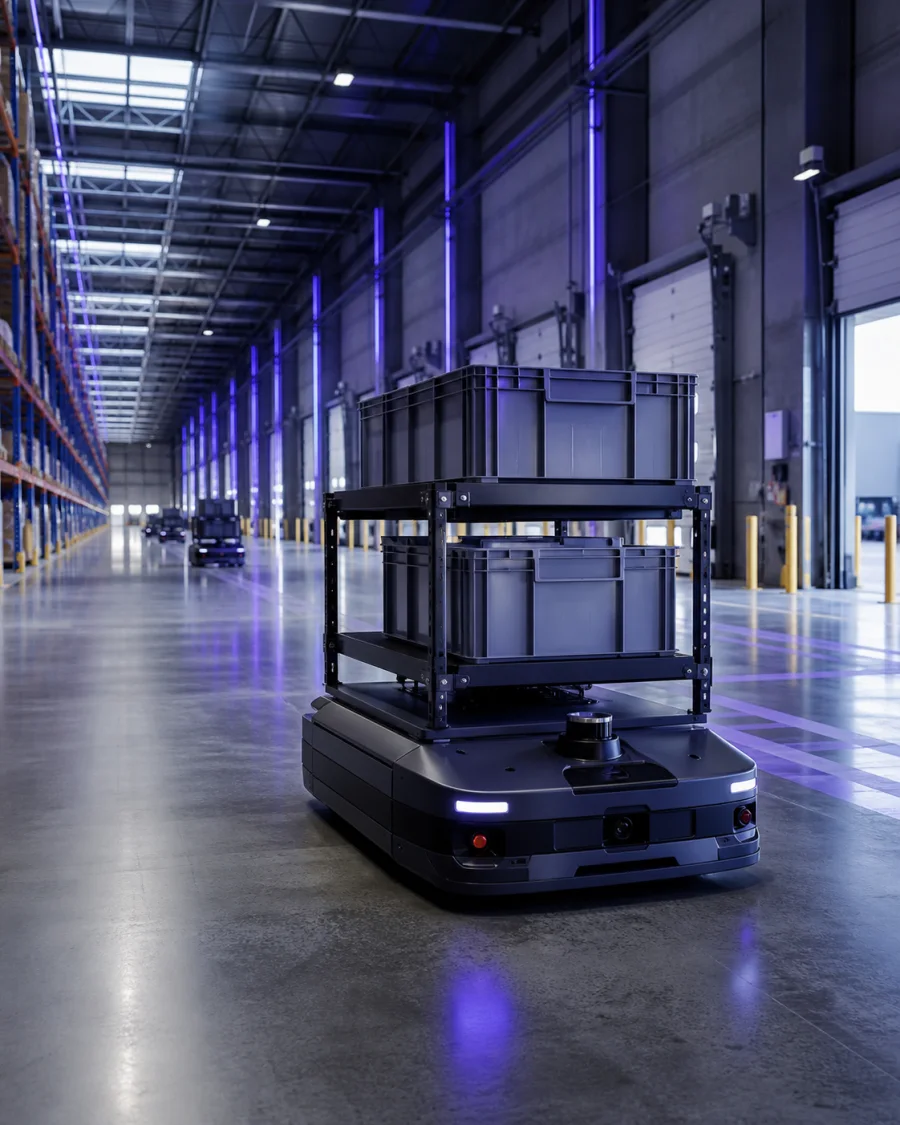
More predictable internal flows with machines that perceive, decide and act under control.
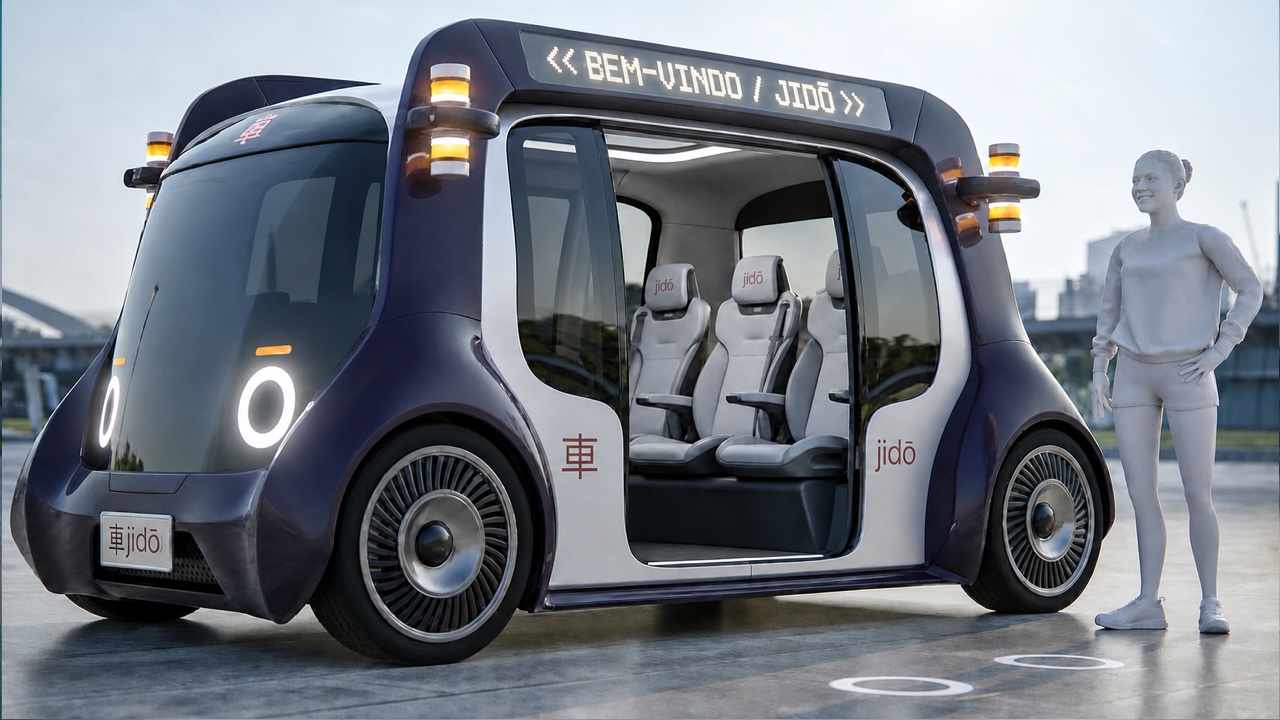
Perception, decision and dependable control for autonomous electric vehicles built for urban transport.
A working prototype with execution on hardware, reproducible measurements and transparent engineering — ready to grow with industrial and research partners.
See the technical results ↗The deterministic core is validated on silicon on the Raspberry Pi 4 (Cortex-A72). The cognitive domain — EL2 hypervisor and Linux guest — is validated in QEMU. Jidō OS is a working prototype, not a certified product: the WCET figures hold for the BCM2711 and revert to “pending” on any other silicon.

